
$20.00
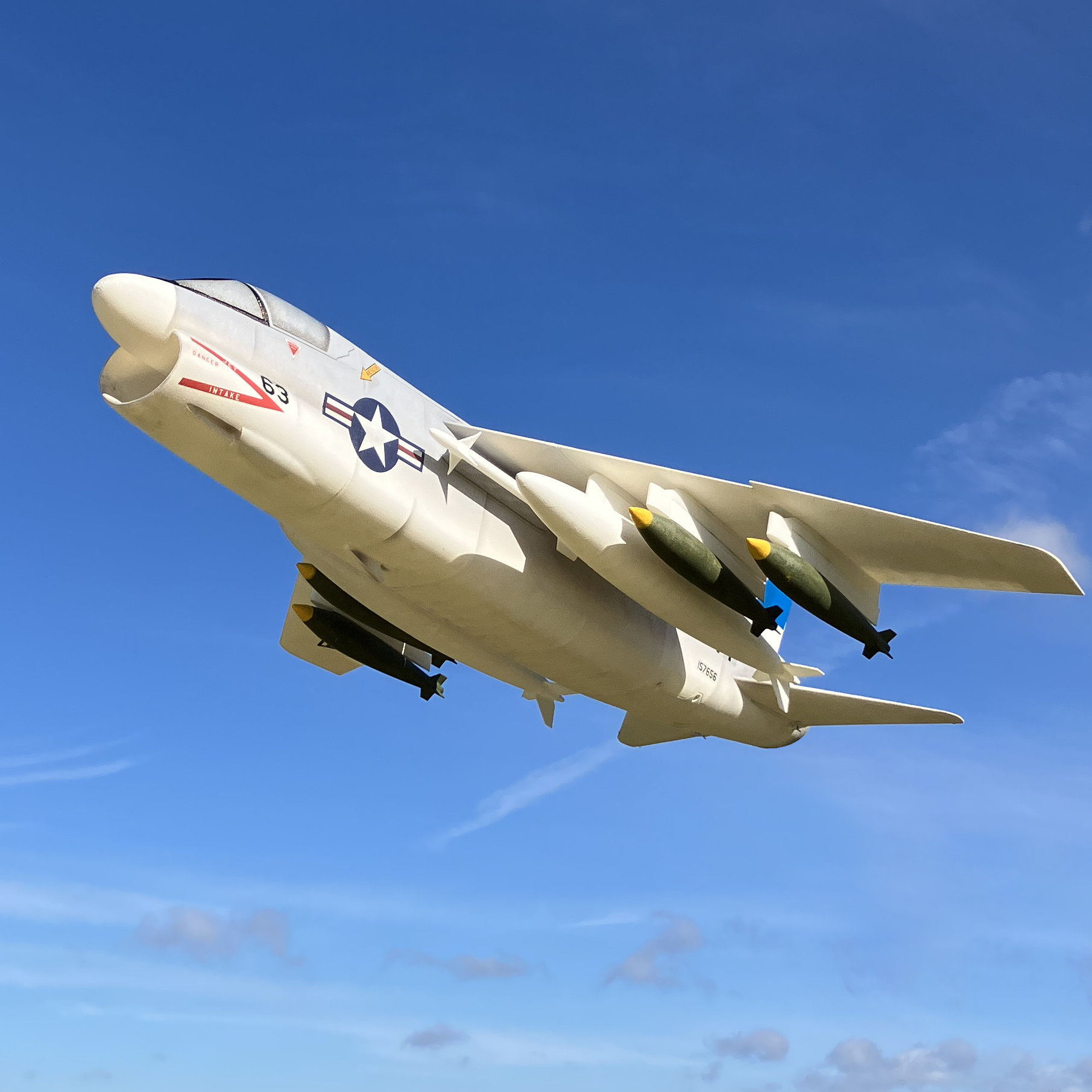
3D printable A7 Corsair II RC jet by Michael Hammer for 50 mm EDF
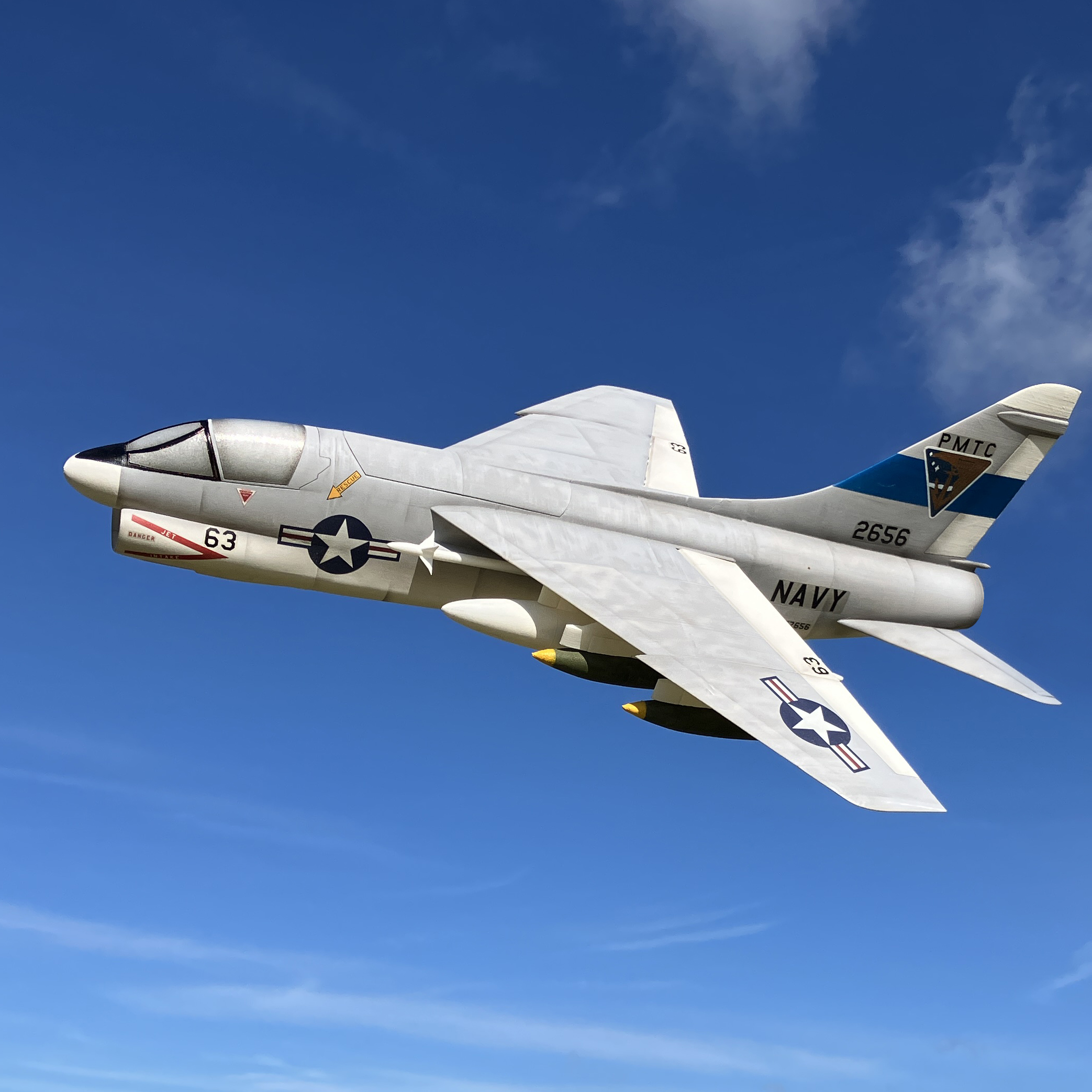
The A-7 Corsair II entered service in 1967 and served as the U.S. Navy’s primary light attack aircraft from the Vietnam War through Operation Desert Storm in 1991. Its distinctive design earned it several nicknames, including “The Harley,” “SLUF” (Short Low Ugly Fellow), and—among deck crews—“The Gator.”
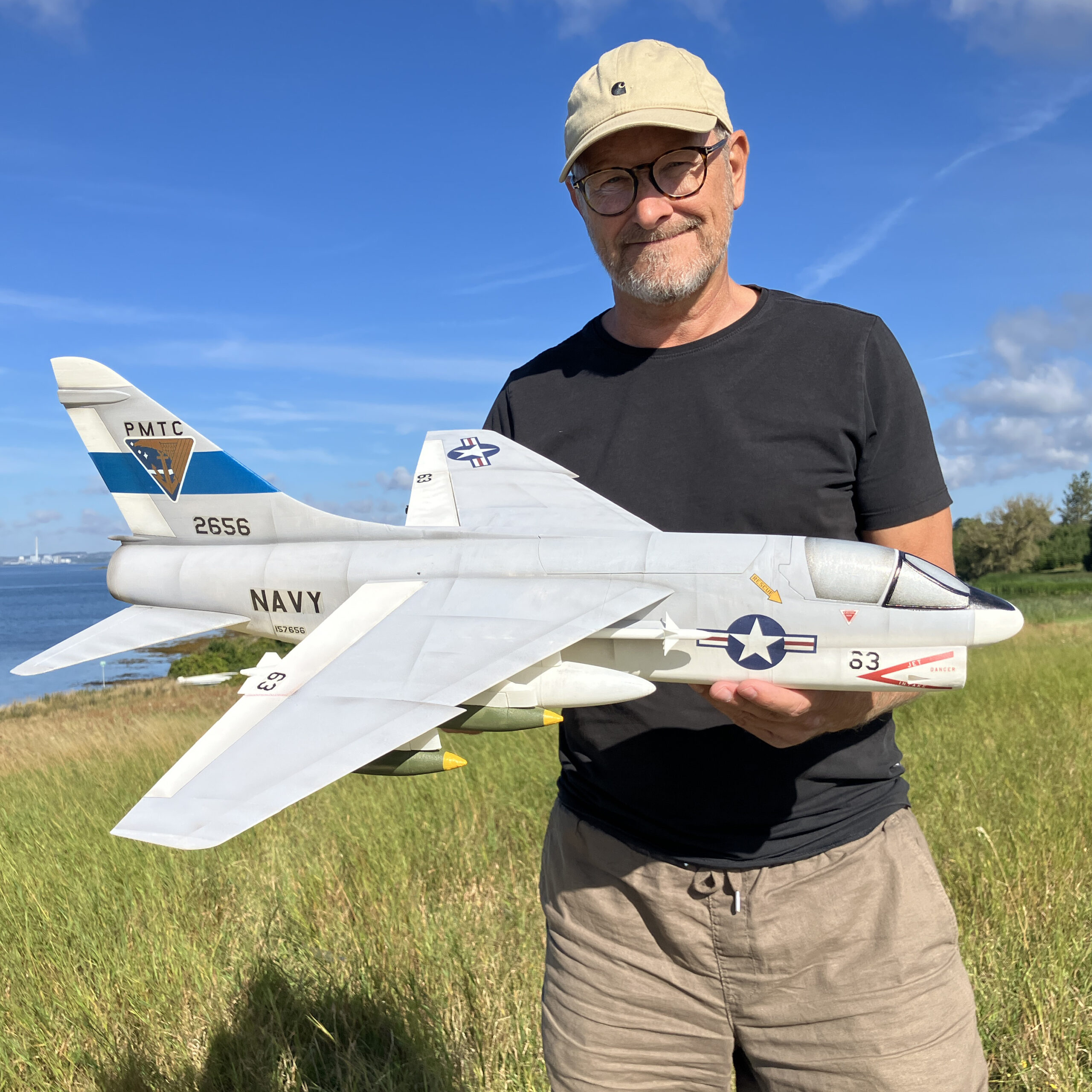
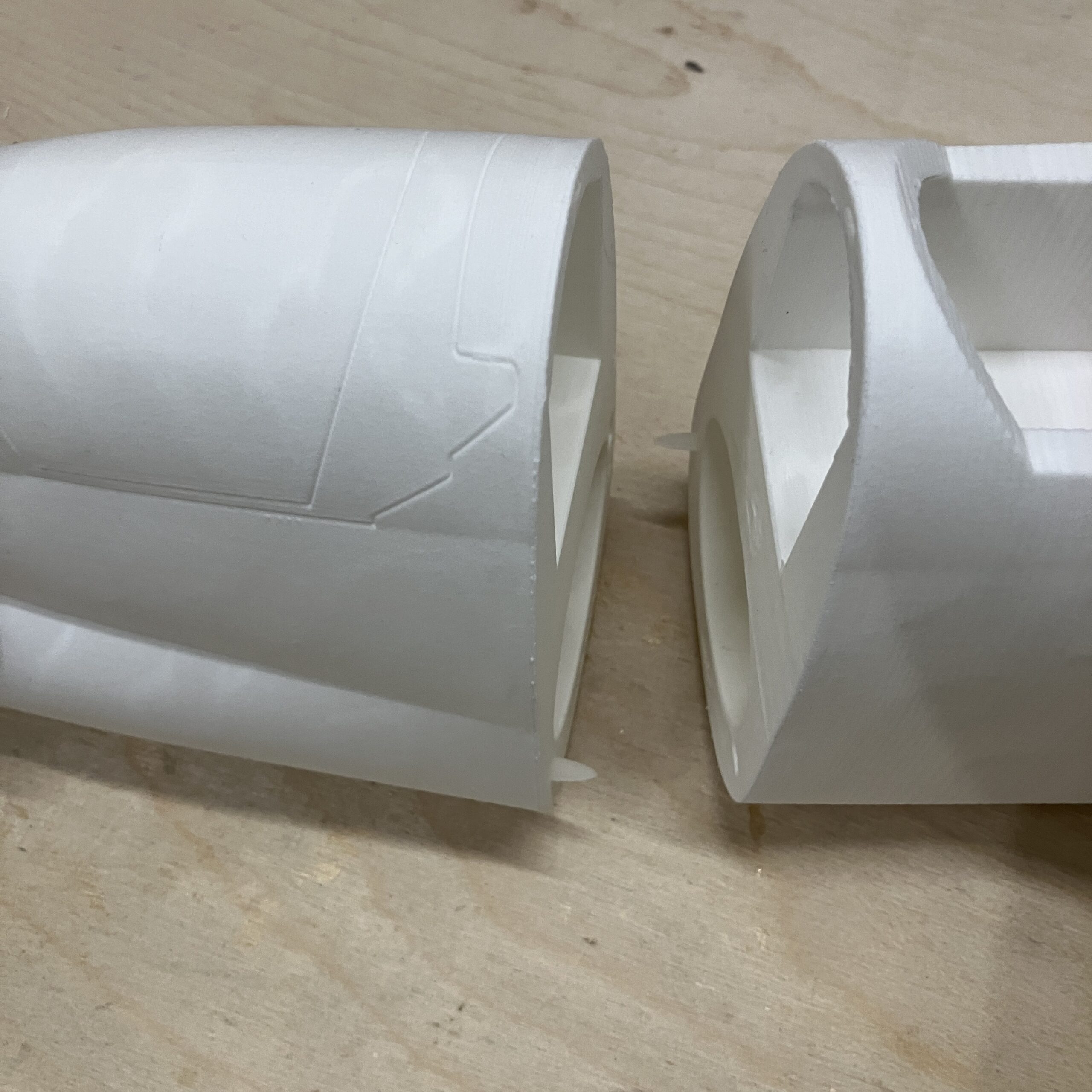
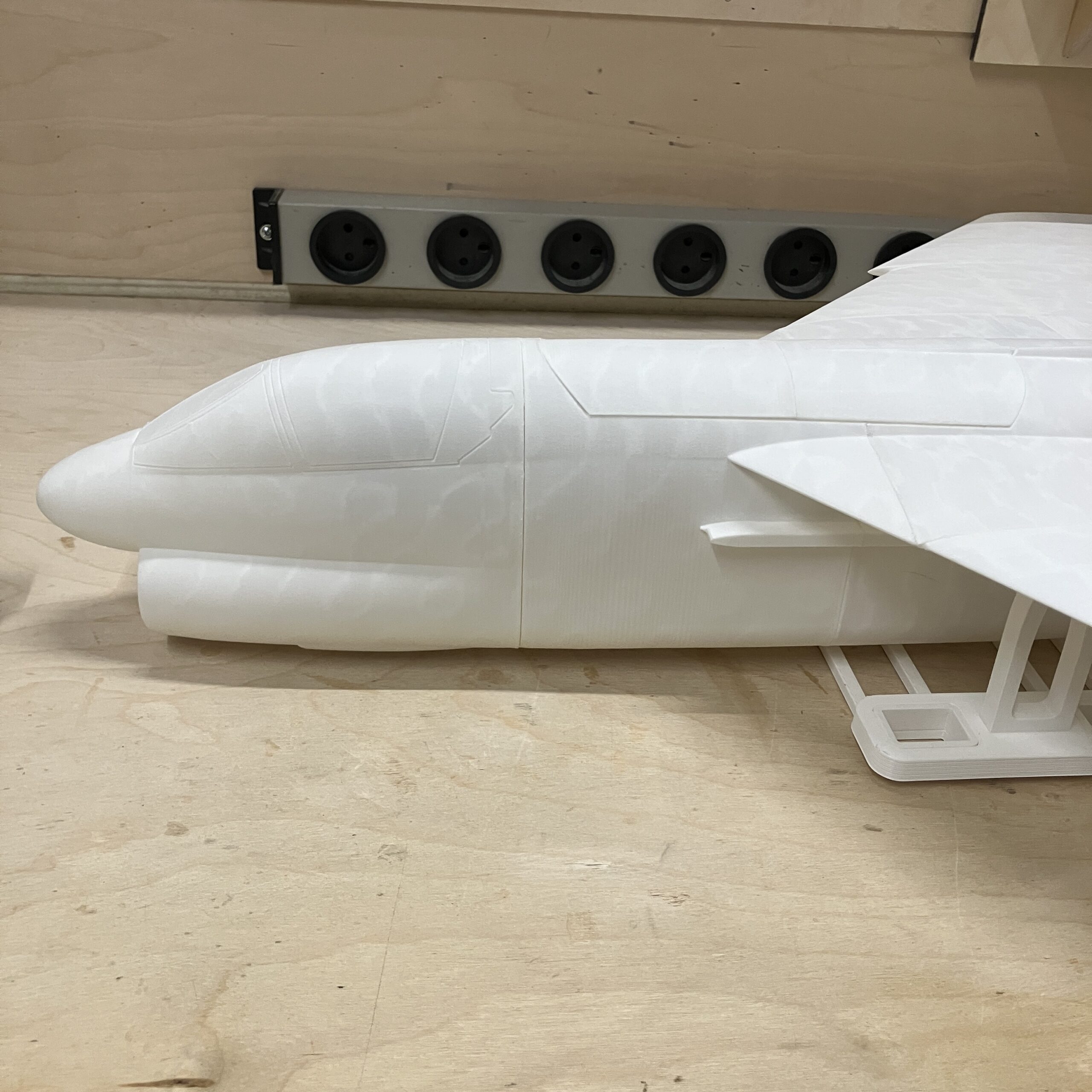
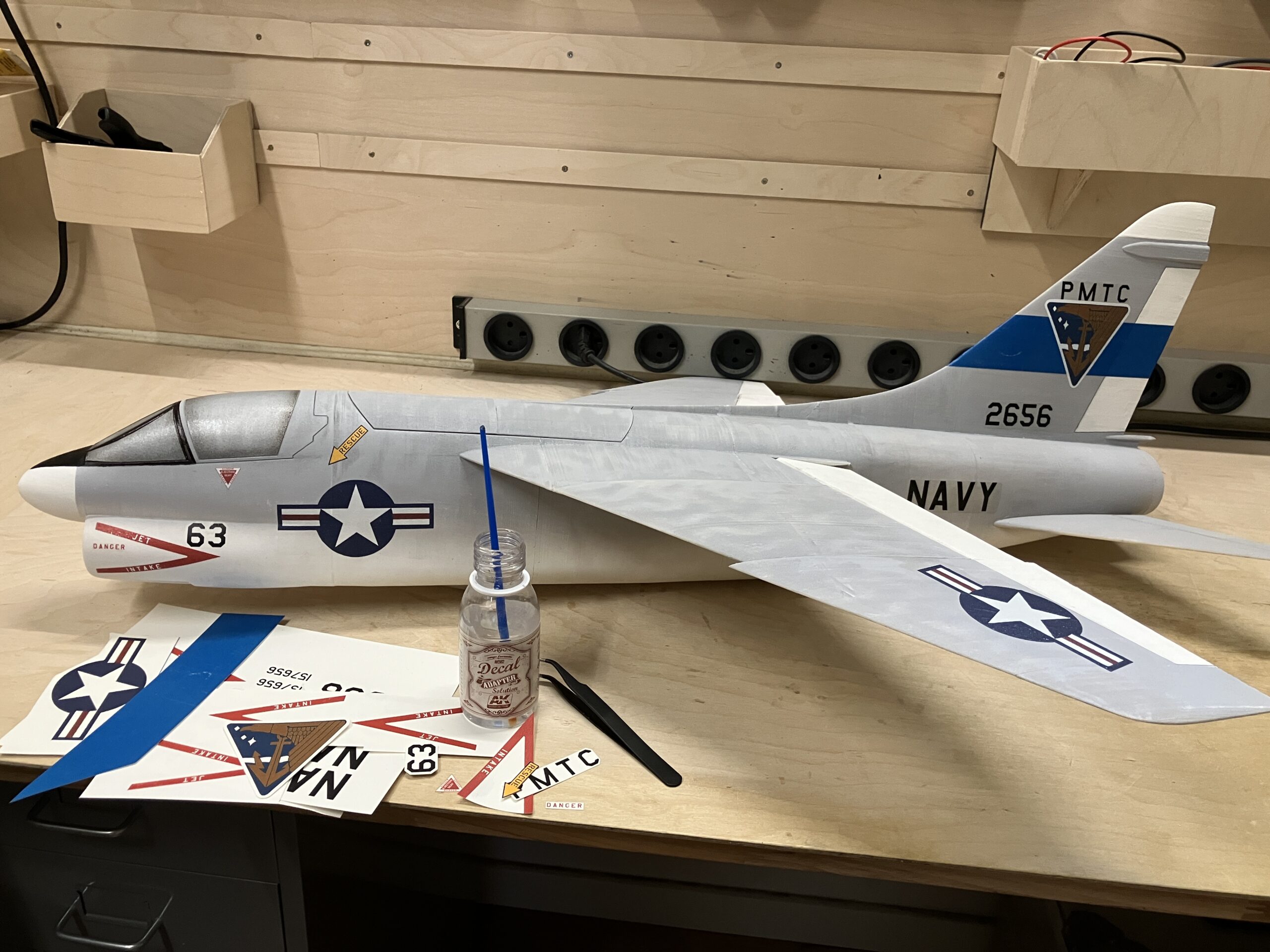
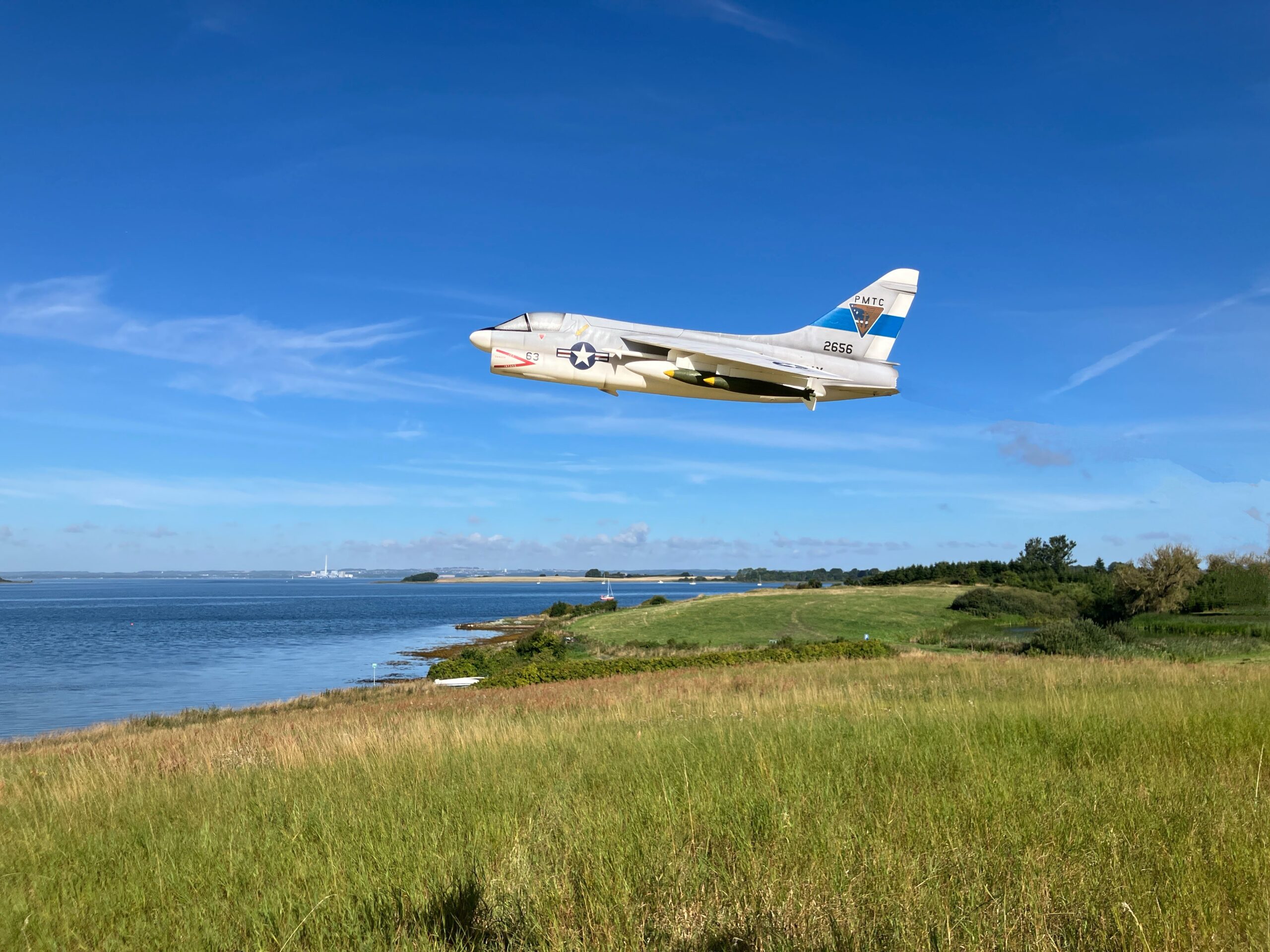
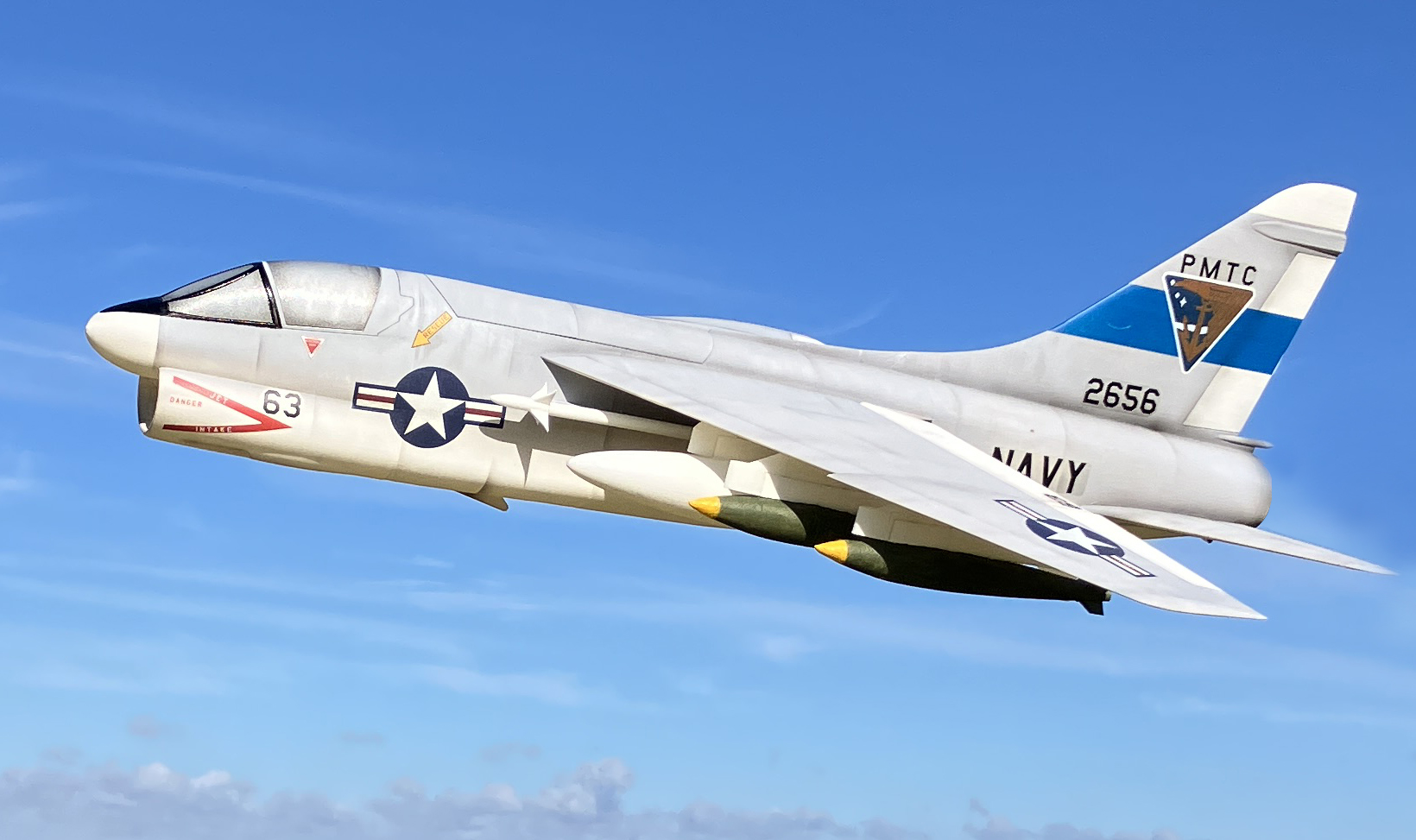
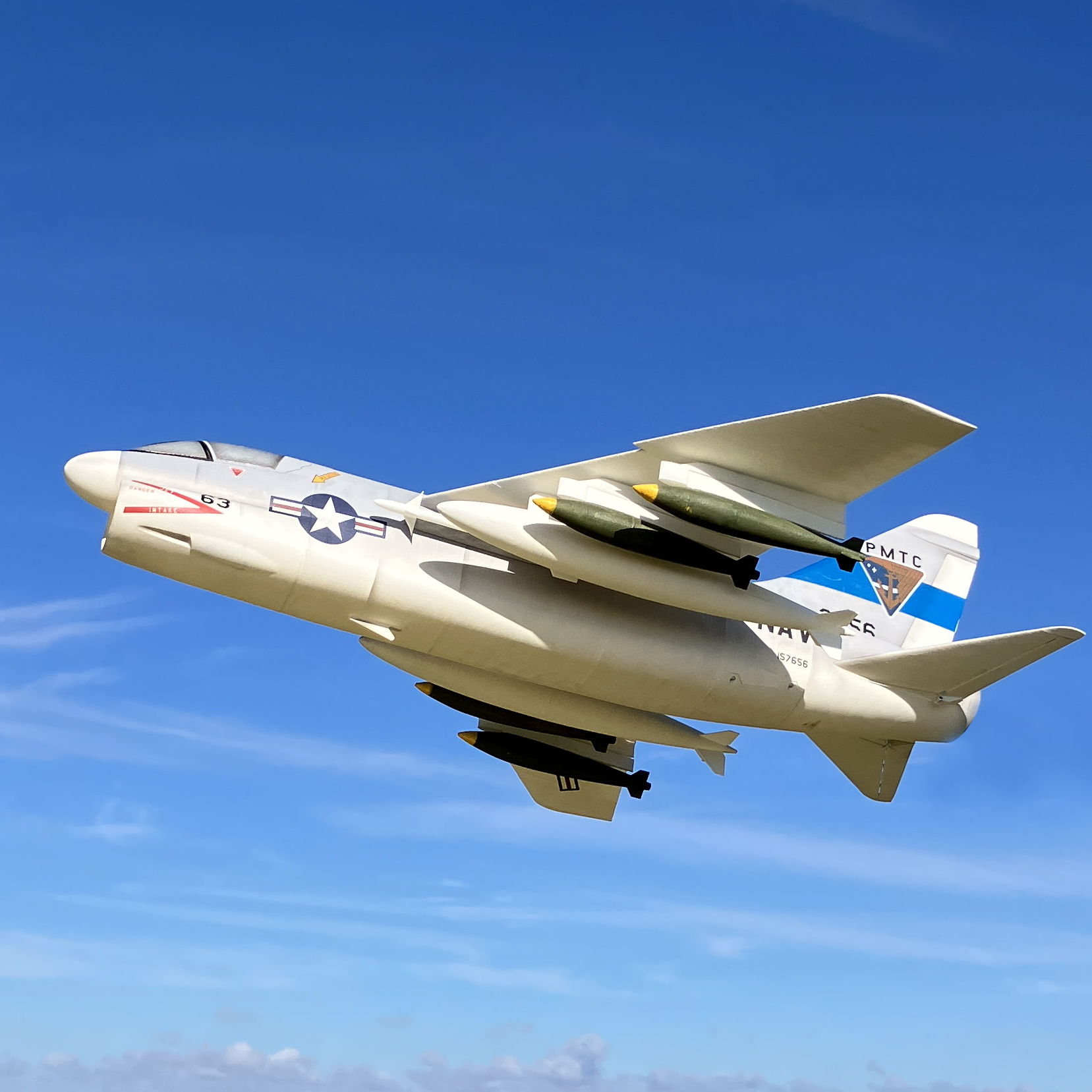
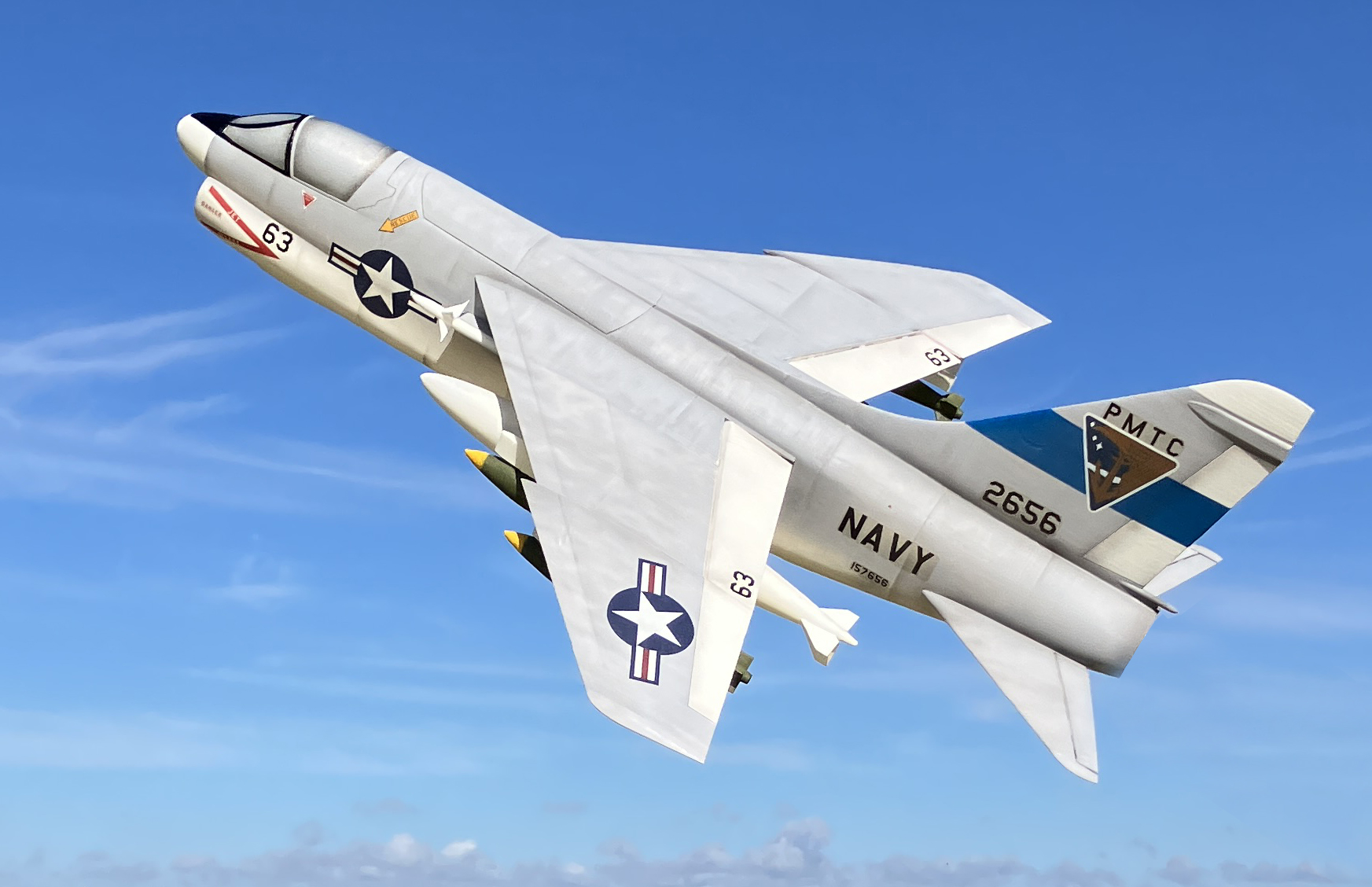
The 3D-printed A-7 Corsair II model is designed to resemble and fly like the full-scale aircraft closely. The prominent air intake, high-mounted swept wings, and realistic loadout options help capture the look of the real jet.
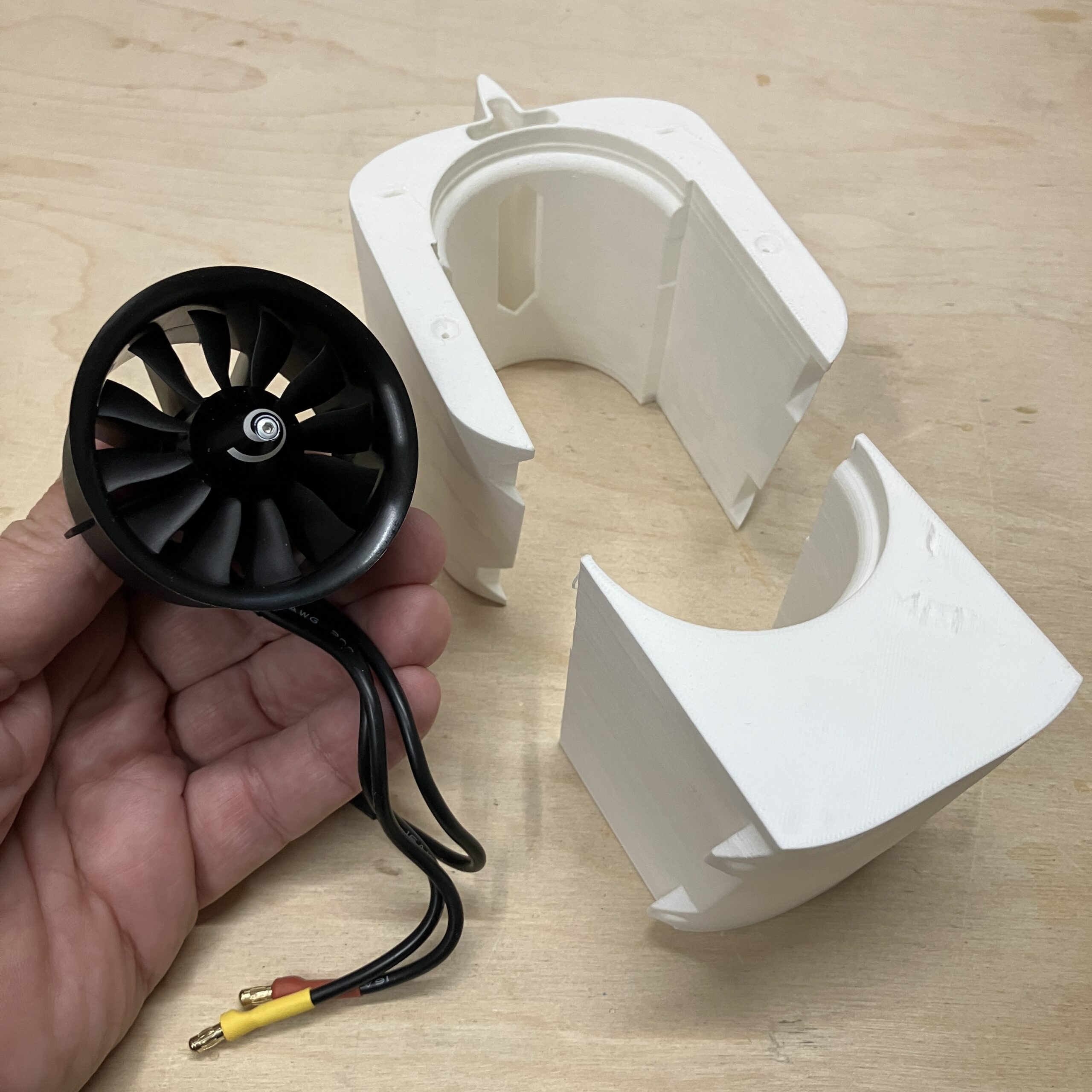
The optimised EDF duct ensures excellent performance without relying on cheater holes or oversized, non-scale intakes. The model is designed for a 50 mm XFly Galaxy electric ducted fan and provides strong performance with flight times of 4–6 minutes. Most components are intended to be printed in LW-PLA, although some parts require standard PLA.
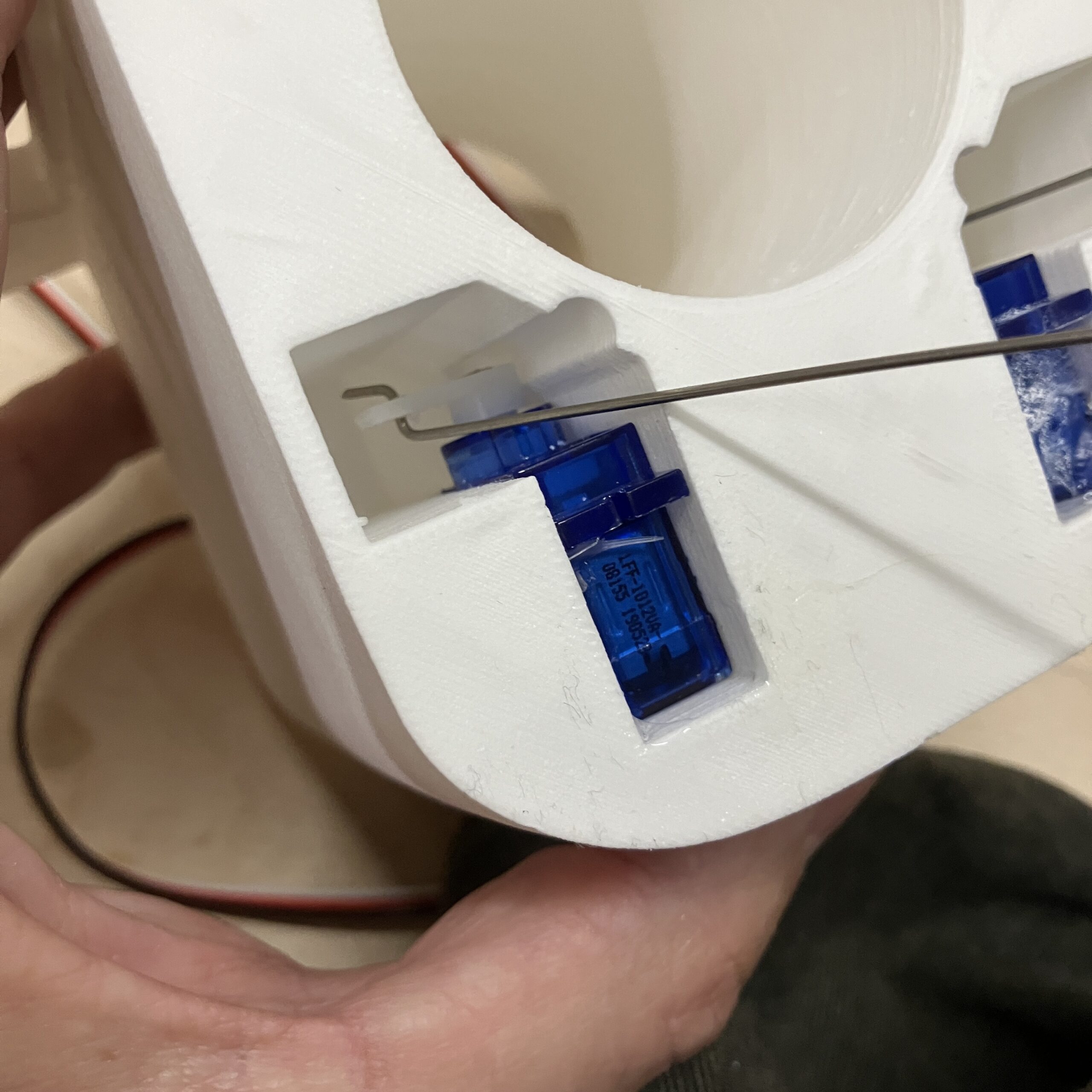
No carbon tubes or similar reinforcements are needed. Simply print the parts and assemble them using cyanoacrylate (cyano) glue. The Corsair is intended to be powered by a 4S XFly Galaxy 50 mm EDF paired with a quality 4S 1800 mAh battery. Other 50 mm EDF units, such as those from FMS, will also fit. Four 9 g servos are required to control the model.
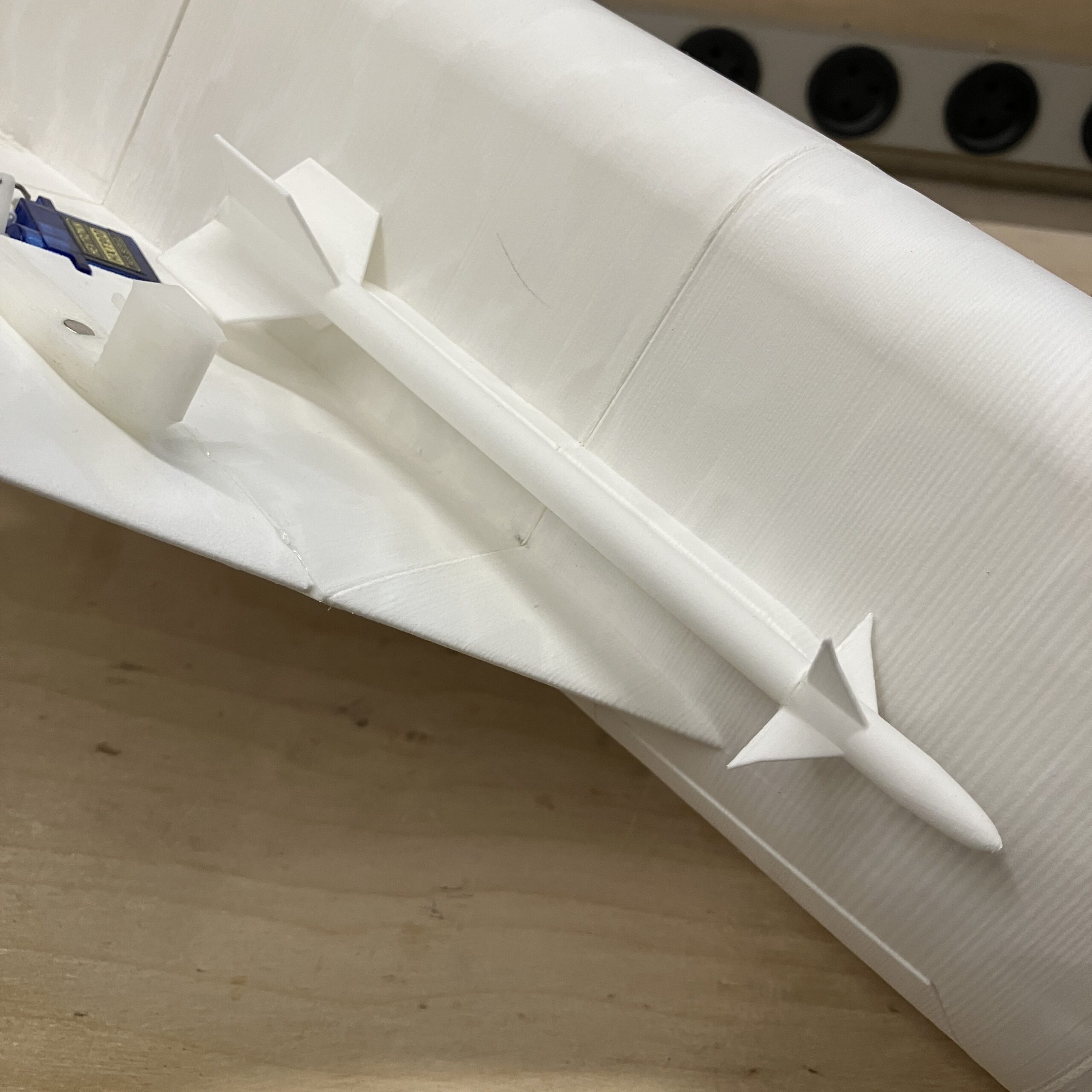
The model features a full complement of AIM-9 Sidewinder missiles, Mk-82 bombs, and auxiliary fuel tanks, all of which can be either magnetically attached or permanently glued in place.
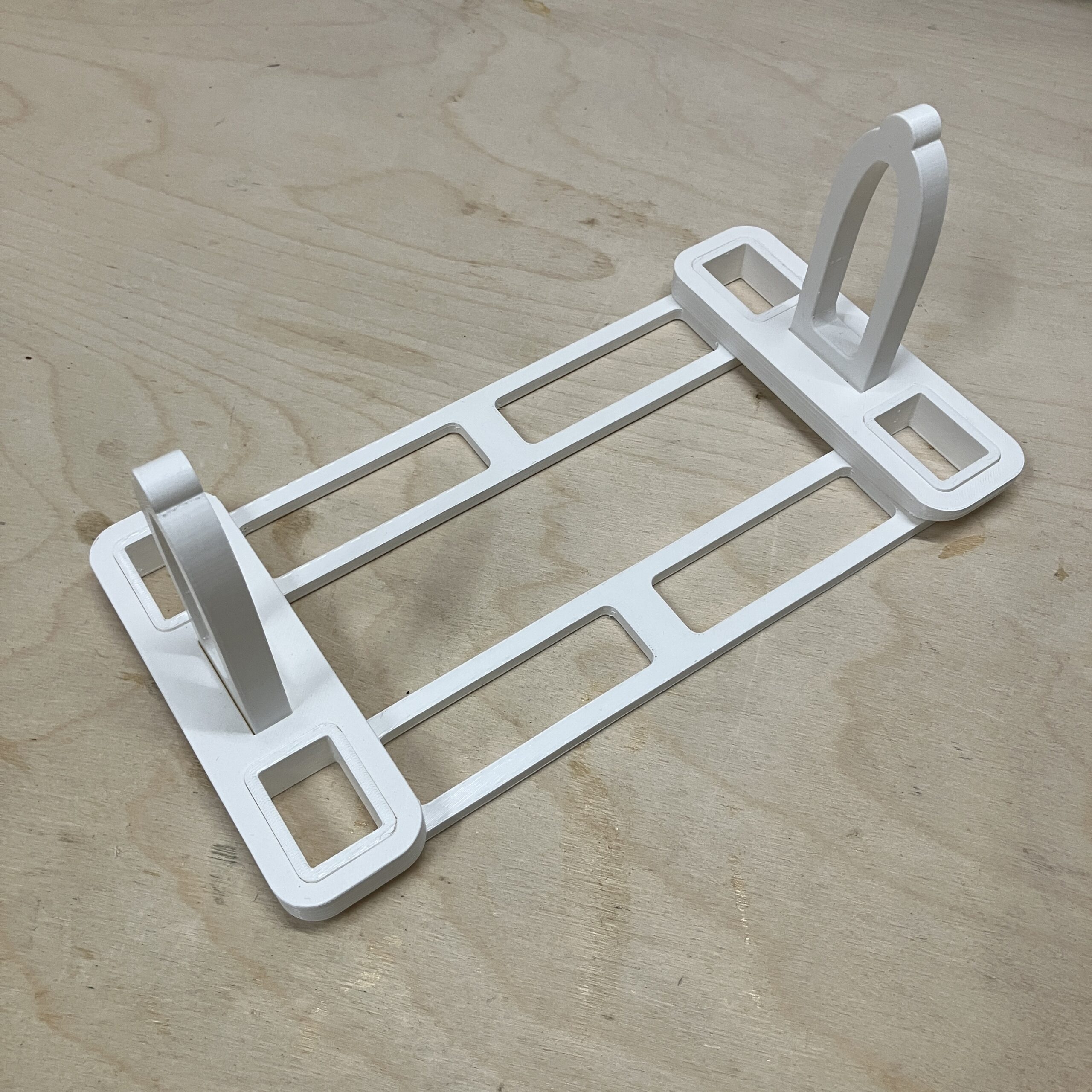
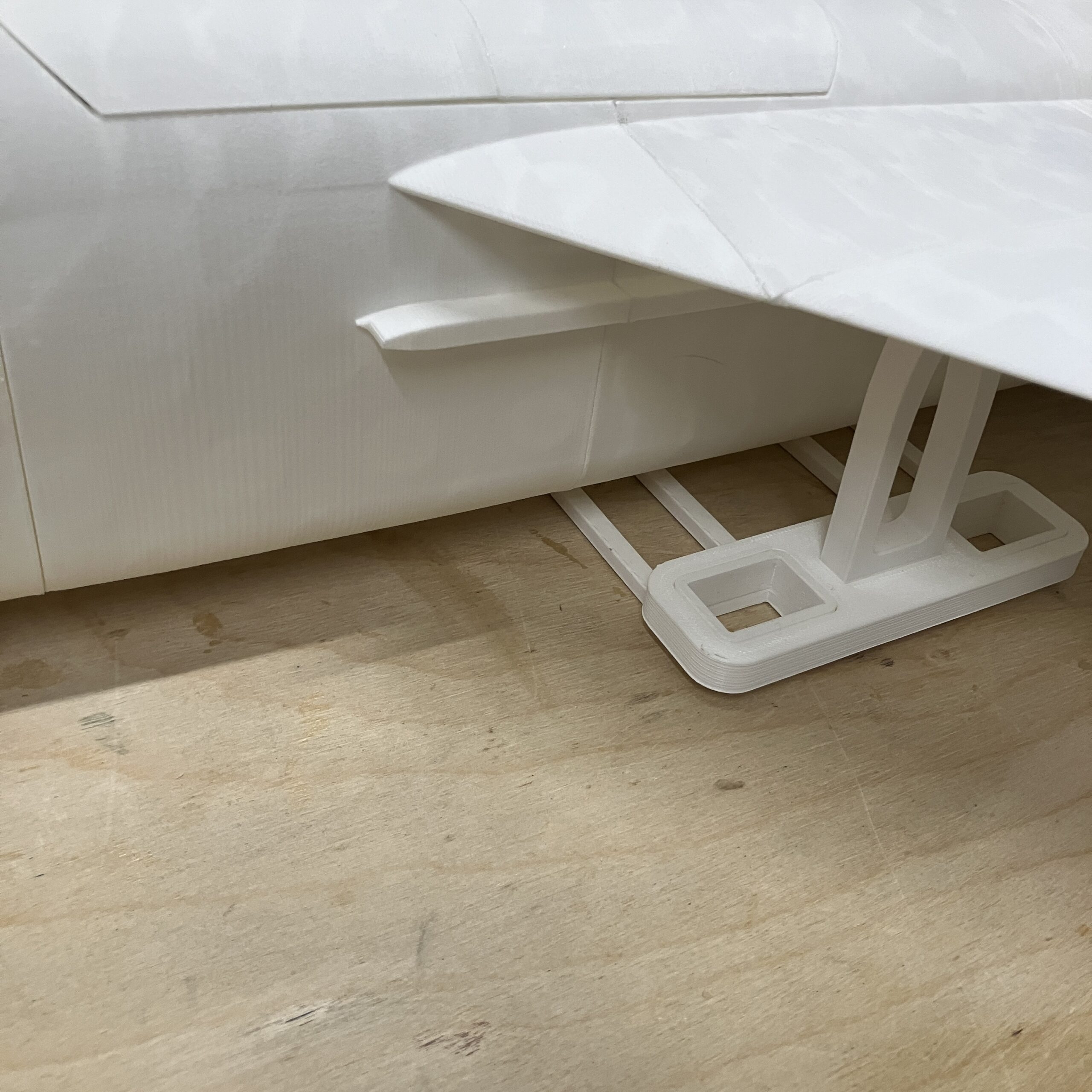
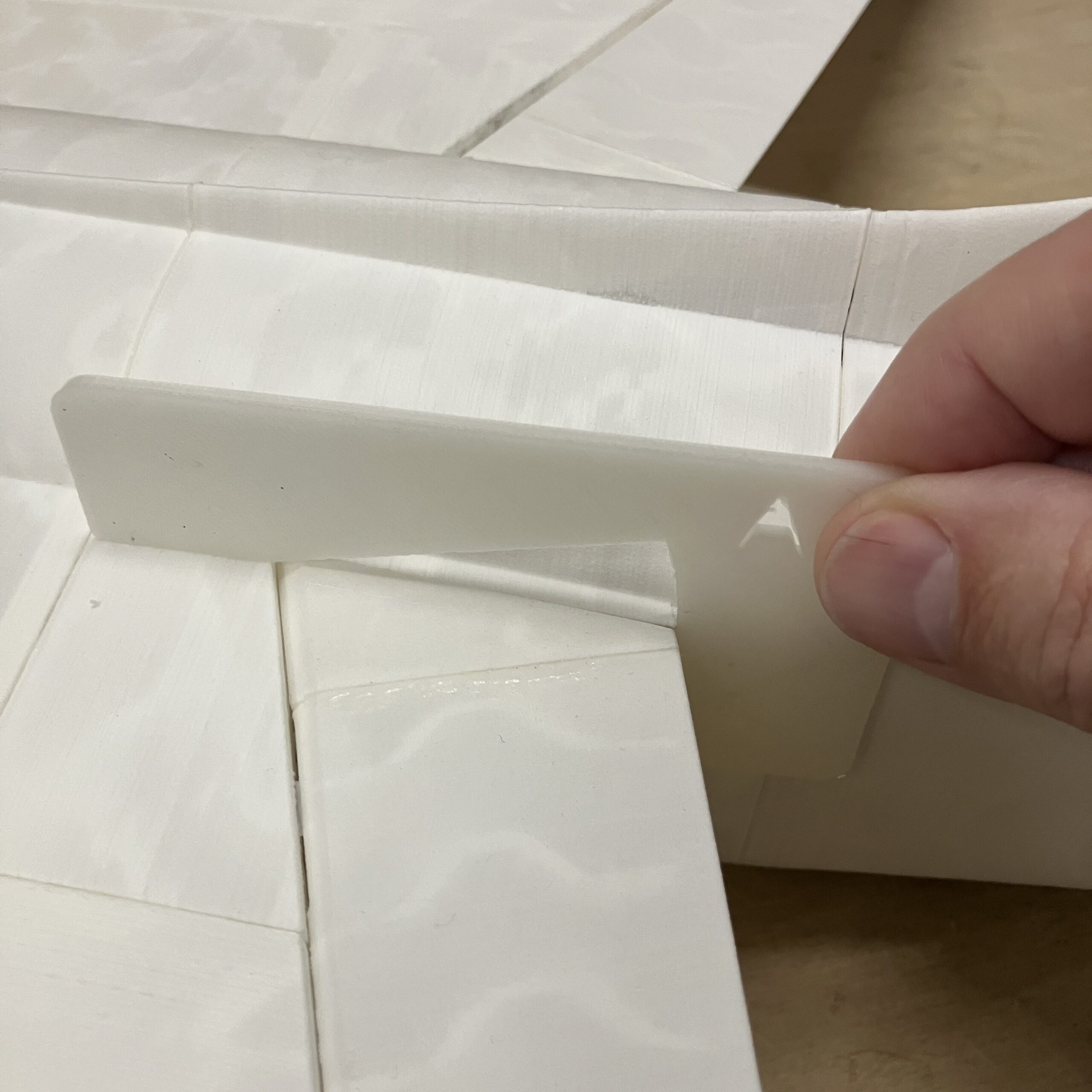
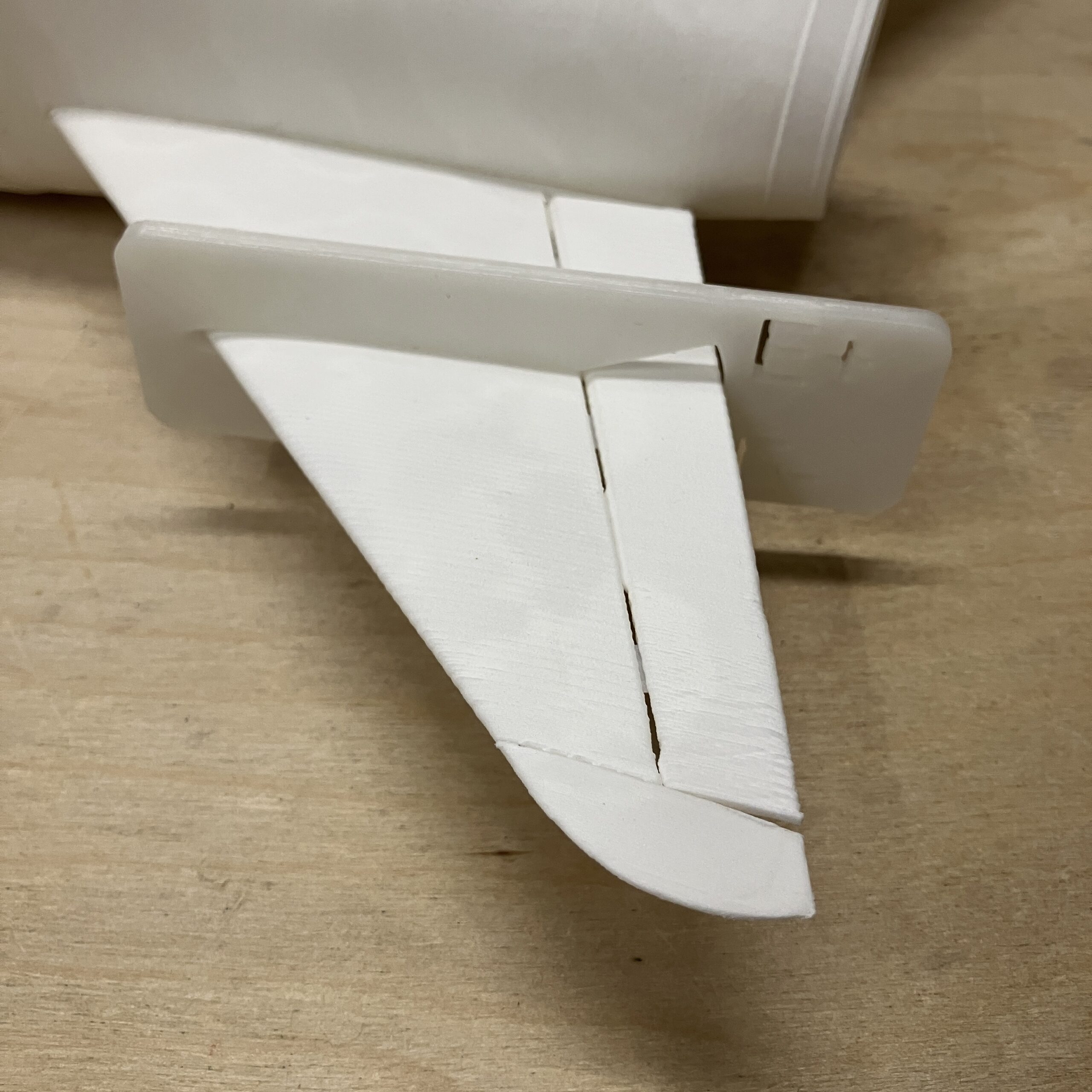
Control-throw gauges are included to make it easy to set the correct aileron and elevator travel. A CG cradle is also provided to assist with accurately balancing the model at the correct centre of gravity.
The 3D-printed A-7 Corsair II is easy to hand-launch, and it also includes a catapult hook for bungee-assisted launches. For the safest and most reliable takeoff, a catapult or bungee system with a pulling force of 5–6 kg is highly recommended.
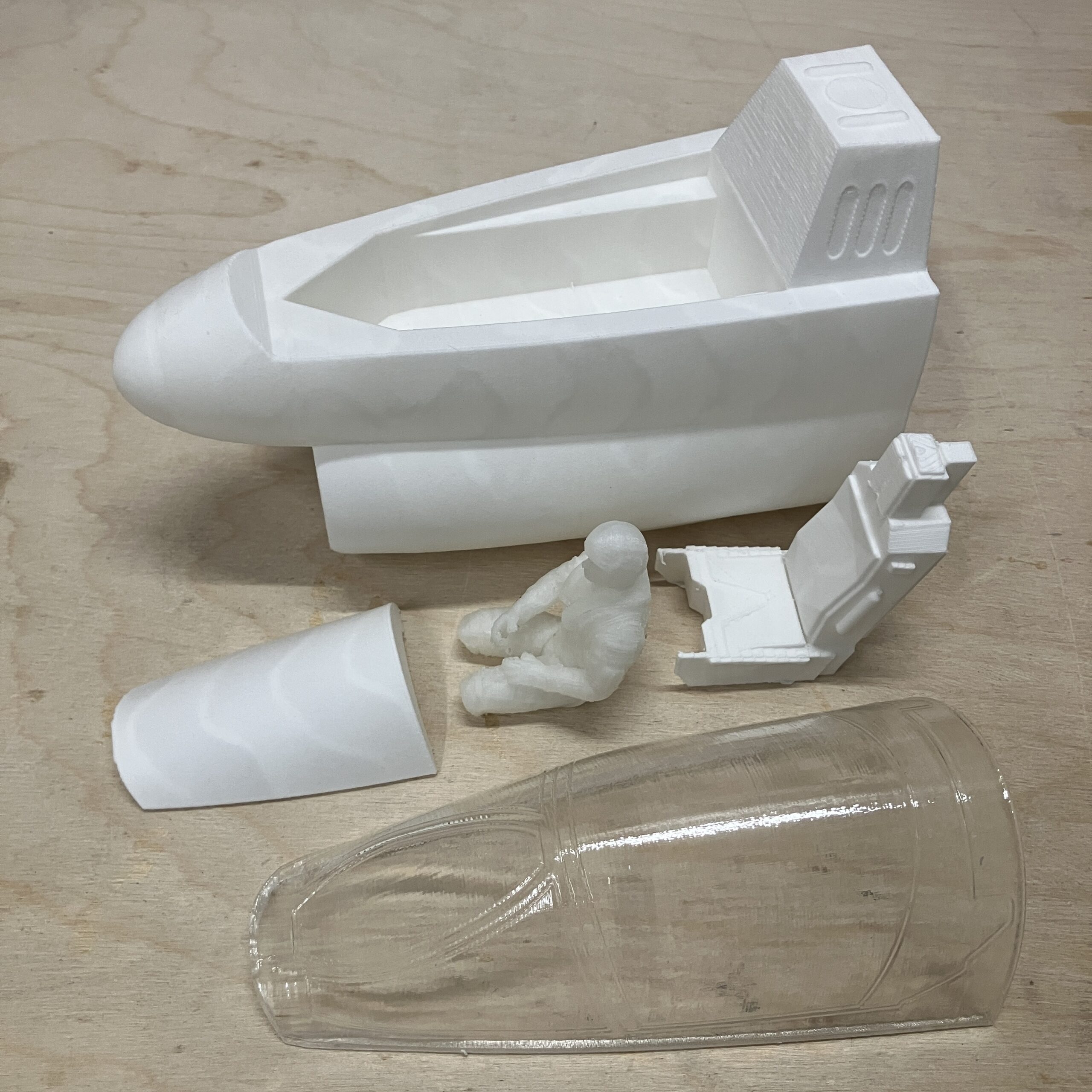
Extensive hi-tech 3d structural reinforcement resulting in solid yet lightweight airframe thanks to additive 3Dprinting technology
Each plane has been thoroughly tested to find ideal shape and best possible inner structure
Choose your aircraft, download 3d files and print as many you need. Using your desktop 3Dprinter